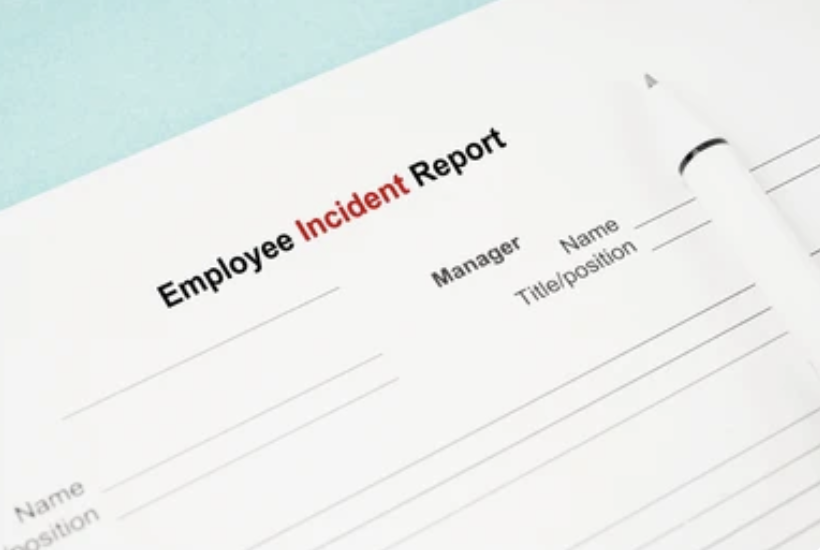
Reporting an exposure incident is a critical step to ensure immediate action and proper handling after encountering blood or potentially infectious materials.
Here’s how you should report an exposure incident:
1. Prompt Notification: Report the exposure incident immediately to your supervisor or employer. Do not delay the reporting process.
2. Provide Details: Furnish comprehensive details about the exposure incident, including the type of exposure (e.g., needle stick injury, blood splashes to mucous membranes), the circumstances, and the nature of the materials involved.
3. Seek Medical Attention: Seek medical evaluation and treatment as per the recommendations provided by your employer or supervisor.
4. Complete Incident Documentation: Complete any required documentation as directed by your workplace’s exposure control plan. This could involve incident reports, medical records, or any other documentation specific to your workplace.
5. Follow-Up and Compliance: Comply with follow-up procedures, including medical evaluations and any subsequent testing or treatment as advised by healthcare professionals.
6. Maintain Confidentiality: Ensure the confidentiality of your health-related information. Sharing details of the exposure incident should be done only with those directly involved or responsible for managing the incident.
Remember, timely reporting of exposure incidents is crucial to receiving appropriate medical care and ensuring necessary preventive measures are taken to mitigate risks associated with blood borne pathogens. Always adhere to your workplace’s policies and procedures regarding incident reporting and follow-up actions.